

Every pet owner wants their animal to live a long and happy life. But many of us do not always know what that actually means in day-to-day life. The truth is, the best ways to keep your pet healthy and happy are not complicated or expensive. They are simple habits that you do regularly. And once you build these habits, your pet will feel the difference. So let’s go through each one, step by step.
Feed Your Pet the Right Food
Food is the foundation of good health. For your pet, this means giving them the right food in the right amount at the right time. First of all, do not just give your pet whatever is easy. Dogs, cats, and livestock animals all have different food needs. A dog needs proteins and healthy fats. A cat needs meat-based food. Cattle and goats need proper fodder with mineral supplements.
Also, do not overfeed your pet. Many Indian pet owners show love through food. But too much food leads to weight gain, and weight gain leads to joint pain, heart problems, and a shorter life. Give your pet proper portions. Follow the advice of your vet on how much to feed based on the animal’s age, size, and health condition.
Make Sure Your Pet Gets Enough Water
This sounds very basic. But many pet owners forget it. Clean, fresh water every day is one of the best ways to keep your pet healthy and happy.
Dehydration in animals can cause kidney problems, digestion issues, and low energy. Always keep a clean water bowl available. Change the water at least once a day. Check the bowl more often because water gets warm fast in summers. For livestock animals like cows and buffaloes, make sure they get enough water especially after feeding. A lactating cow needs a lot of water to produce good quality milk.
Take Your Pet to the Vet Regularly
Many people only take their pet to the vet when something goes wrong. But regular check up are very important. A vet can spot small problems before they become big ones.
But the Vaccinations are a must. They protect your pet from serious diseases that can spread fast. Diseases like Foot and Mouth Disease in cattle and Parvovirus in dogs are still common. Timely vaccination prevents these. Spending a little money on regular check-ups saves a lot of money on treatment later. So do not wait for your pet to fall sick. Be proactive.
Keep Your Pet Active Every Day
Animals need movement. It is not just about fitness, it is about mental health too. A pet that does not get enough activity becomes bored, stressed, and sometimes aggressive.
For dogs, a walk of 20 to 30 minutes every day is very helpful. If possible, give them some play time too a ball, a stick, anything that gets them running. For cats, indoor games work well. For poultry and livestock, make sure they have enough space to move around freely. Because daily activity keeps joints healthy, keeps weight in check, and keeps your pet in a good mood, it is truly one of the best ways to keep your pet healthy and happy that costs you nothing at all.
Keep Their Living Space Clean
A dirty living space is one of the biggest causes of disease in animals. Fleas, ticks, bacteria, and worms all breed in dirty, damp conditions. Cleaning your pet’s sleeping area, kennel, or shed regularly is very important.
Also, bath your pets regularly. For dogs, once every two to four weeks is usually enough. For livestock, make sure the shed is cleaned every day and is well-ventilated. Standing water and wet mud around a cattle shed can cause hoof problems and infections very quickly. First of all, clean living conditions reduce the need for medicines. And that is good for both your pet and your pocket.
Watch for Early Signs of Illness
You know your pet better than anyone. So when something feels different, they are eating less, moving less, or behaving strangely, take it seriously. Do not wait and watch for too long.
Common early signs of illness in pets include loss of appetite, dull coat or rough skin, runny eyes or nose, unusual tiredness, loose motions, or limping. Any of these can point to something that needs attention. The sooner you catch a problem, the easier and cheaper it is to treat. So stay observant. It is one of the most important things any pet owner can do.
Give Them Love and Attention
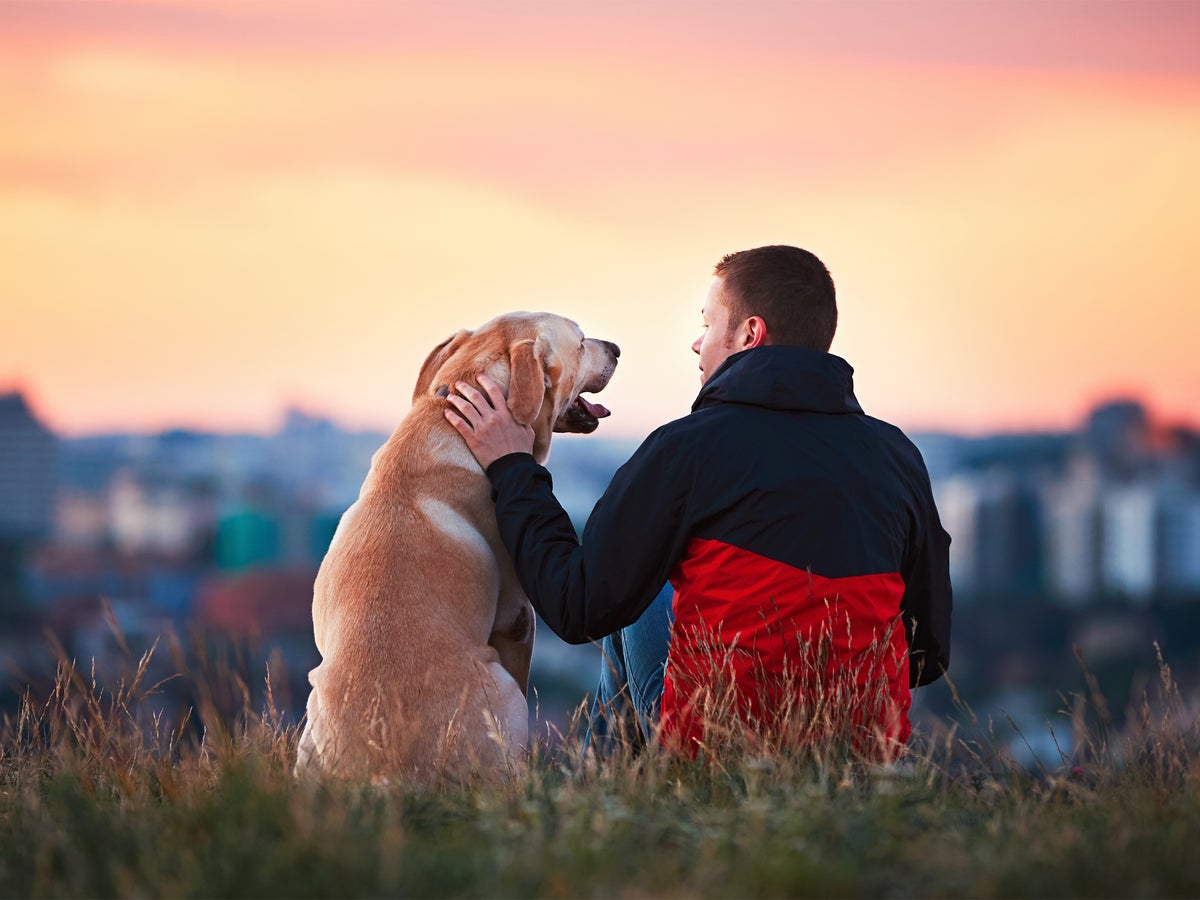
This is something many people underestimate. Animals feel loneliness and stress just like humans do. A pet that feels loved and secure is healthier overall. Talk to your animals. Spend time with them.
For livestock owners, this might sound unusual. But animals that are handled gently and regularly by humans show better health, less stress, and better productivity. It is well documented and observed by veterinarians across India. In the end, love and attention cost nothing. But they make a real difference.
Last Words
Every animal is worthy of good health. Regardless of whether it is a pet dog living in a flat or a dairy cow on a farm in rural India. Petvet Healthcare Pvt. Ltd is involved in formulating veterinary medicines and nutritional supplements that help keep animals healthy and strong. We adhere to the WHO-GMP and cGMP standards that are applicable to veterinary medicines and nutritional supplements. We have a quality veterinary franchise that traverses the length and breadth of India. If you are a vet, a distributor or an animal enthusiast looking for veterinary healthcare products, let us make your acquaintance.
FAQs
1. What are the best ways to keep a pet healthy and happy?
The best ways to keep a pet healthy and happy include feeding a balanced diet, providing clean water, regular exercise, routine veterinary check-ups, and a clean living environment. Pets also need love, attention, and mental stimulation to stay emotionally healthy and maintain a strong bond with their owners.
2. How often should pets visit a veterinarian?
Pets should visit a veterinarian at least once or twice a year for routine health check-ups and vaccinations. Regular vet visits help detect early signs of illness, nutritional deficiencies, and infections, allowing treatment before problems become serious or expensive.
3. Why is regular exercise important for pets?
Regular exercise keeps pets physically fit, mentally stimulated, and emotionally balanced. Activities such as daily walks, playtime, or open movement for livestock help maintain a healthy weight, improve joint health, and reduce stress or behavioral problems.
4. What are the early signs that a pet may be sick?
Early signs of illness in pets include loss of appetite, unusual tiredness, dull coat, runny nose or eyes, diarrhea, limping, or behavioral changes. If these symptoms appear, it is important to consult a veterinarian quickly to prevent the condition from worsening.
5. How important is clean water for pets and livestock?
Clean drinking water is essential for pets and livestock because it supports digestion, kidney function, body temperature regulation, and overall health. Animals should have fresh water available at all times, especially during hot weather when dehydration risks increase.


