Neither injectable nor oral veterinary medicine is universally “better” — each suits different situations. Injectable medicine works faster because it enters the bloodstream directly, making it the better choice for serious illness, dehydration, vomiting, or emergencies. Oral medicine is easier to administer, less stressful for the animal, and better suited for daily supplementation, mild conditions, and long-term treatment. Veterinarians often use both together: an injection to stabilize quickly, followed by oral medicine for ongoing care.
Introduction
“Should we give an injection or oral medicine?” is one of the most common questions vets hear from farmers and pet owners. The honest answer is that it depends on the animal, the condition, and the situation — not on one form being inherently superior.
How Injectable and Oral Medicines Work Differently
Injectable medicine is administered directly into muscle, a vein, or under the skin, reaching the bloodstream quickly without needing to be digested. This is why it acts fast.
Oral medicine — tablets, syrups, powders, or boluses — must pass through the stomach and intestines before entering the bloodstream, which takes longer but is often perfectly effective for the right situation.
Injectable vs. Oral Veterinary Medicine: Comparison
| Factor | Injectable | Oral |
|---|---|---|
| Speed of action | Fast — enters bloodstream directly | Slower — must pass through digestion |
| Dosing precision | Highly precise, no absorption loss | Can vary if animal spits out or partially absorbs |
| Best for | Emergencies, severe illness, vomiting/diarrhea cases | Daily supplements, mild conditions, long-term treatment |
| Ease of administration | Requires skill; risk of injection-site pain or infection if done incorrectly | Easy — can be mixed in feed or given by hand, no special skill needed |
| Animal stress | More stressful, especially with repeated use | Generally less stressful |
| Cost-effectiveness (long-term) | Less practical for daily/ongoing use | More cost-effective for routine, ongoing use |
| Works when animal isn’t eating | Yes — bypasses digestive system entirely | No — requires a functioning digestive system |
When Injectable Medicine Is the Better Choice
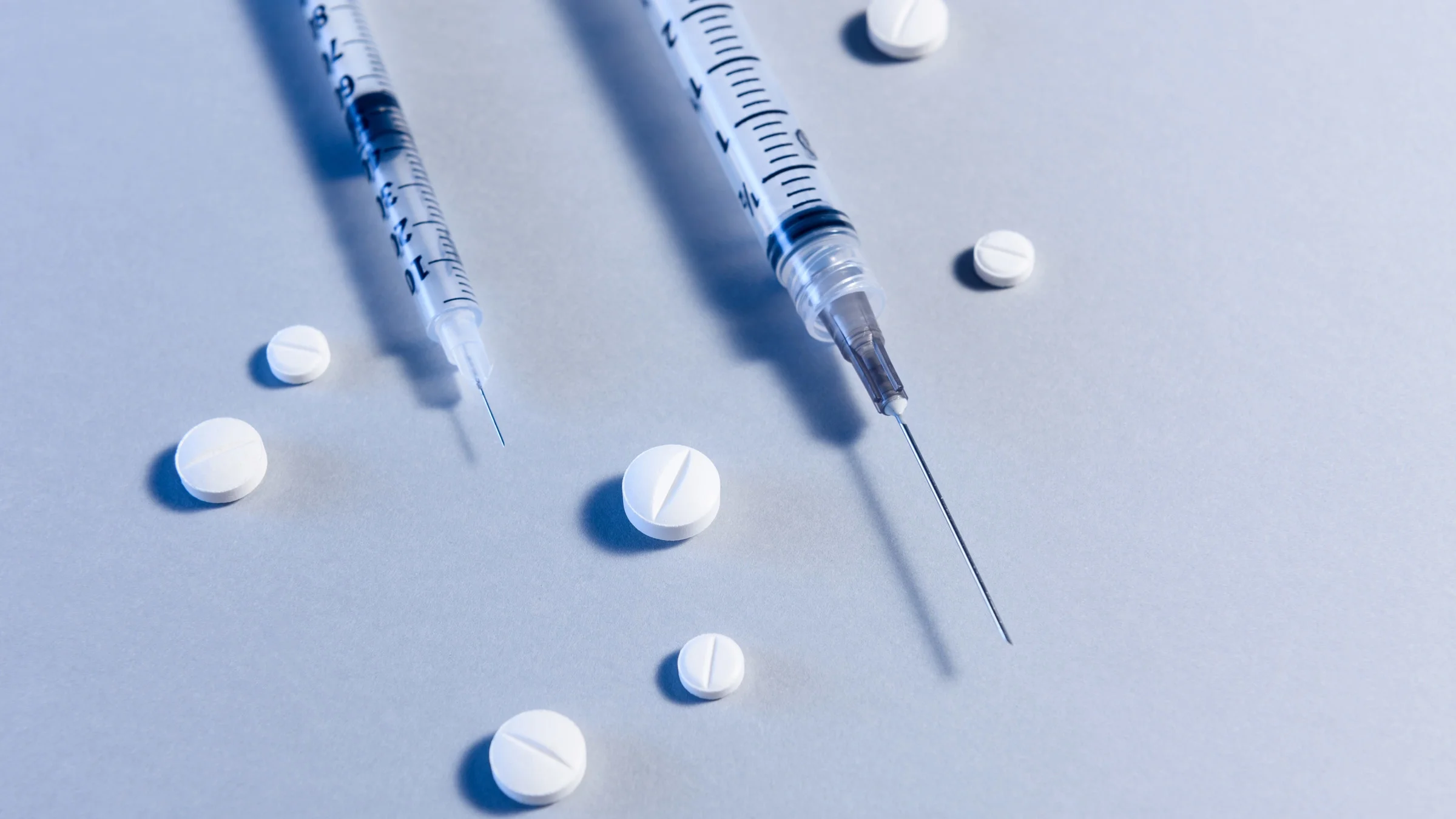
Injectables are essential when an animal is seriously sick, weak, or not eating — in these cases, oral medicine simply isn’t absorbed properly since the digestive system isn’t functioning normally. By bypassing digestion entirely, an injection delivers medicine straight into the bloodstream.
Injectables are also the right choice when:
- The animal is vomiting or has severe diarrhea, both of which prevent proper oral absorption
- Precise, guaranteed dosing is critical
- Rapid action is required, such as in an emergency
- The specific medicine would break down in the digestive tract if given orally
The trade-offs: injections require skill to administer safely (a wrong injection site can cause pain, swelling, or infection), tend to be more stressful for the animal, and aren’t practical for daily, long-term use.
When Oral Medicine Is the Better Choice
Oral medicines are easy to administer — a powder mixed into feed, a syrup in water, or a bolus given by hand, with no needle or special skill required. This makes them ideal for:
- Daily supplementation (calcium liquids, liver tonics, mineral mixtures, multivitamins)
- Long-term or preventive treatment
- Mild to moderate conditions where the animal is still eating and drinking normally
- Situations where minimizing animal stress matters, since oral administration is generally less distressing than an injection
The trade-off: oral medicines act more slowly and won’t work well if the animal is critically ill, not eating, or if the specific drug breaks down during digestion before it can take effect.
Combination Treatment: Using Both Together
In many real-world cases, vets use both forms strategically — an injection first to stabilize a seriously sick animal quickly, followed by oral medicine once the animal is eating and stable again, for the remainder of treatment. This combined approach is common precisely because it captures the strengths of both: fast initial stabilization, followed by practical, low-stress ongoing care.
How Vets Decide
The decision comes down to two questions: How severe is the condition, and is the animal’s digestive system functioning normally? Use this as a general guide:
- Choose injectable when the animal is very sick, not eating, vomiting, dehydrated, or needs fast action
- Choose oral for daily supplementation, long-term treatment, and stable animals eating and drinking normally
Your veterinarian makes this call based on direct clinical assessment — but understanding the reasoning helps you follow their guidance with confidence.
FAQs
Q1. Which is more effective: injectable or oral veterinary medicine?
Neither is universally more effective — injectable medicine works faster since it bypasses digestion, while oral medicine is easier to give and better suited for long-term use. Effectiveness depends on the animal’s condition, severity of illness, and ability to absorb medicine normally.
Q2. When should injectable veterinary medicines be used?
Injectable medicines are typically used when an animal is seriously ill, dehydrated, vomiting, or unable to eat, or when rapid action is required and oral absorption cannot be relied upon.
Q3. When are oral veterinary medicines the better option?
Oral medicines are best for mild to moderate conditions, daily supplements, and long-term treatment, since they are easy to administer and less stressful when the animal is stable and eating normally.
Q4. Why do veterinarians sometimes use both injectable and oral medicines together?
Vets often give an injection first to stabilize a sick animal quickly, then switch to oral medicine for ongoing treatment — combining fast initial control with a practical, lower-stress method for continued care.
Q5. Are injectable medicines stronger than oral veterinary medicines?
Not necessarily stronger — injectables act faster and offer more precise dosing, while oral medicines are highly effective for maintenance therapy and routine treatment when the digestive system is functioning normally.
Related Reading
A Full Range of Injectable and Oral Veterinary Medicine
PetVet Healthcare manufactures both injectable and oral veterinary medicines — including injectables, syrups, boluses, powders, and mineral supplements — under WHO-GMP and cGMP certified conditions at our Ambala Cantt, Haryana facility. Whether you’re a veterinarian, distributor, or farmer, reach out at +91 86074 15111 or petvetindia@gmail.com. We also offer veterinary PCD franchise and third-party manufacturing opportunities across India.