

Foot and Mouth Disease hits hard on animals like cows, buffaloes, goats, sheep, or pigs – it’s fast-spreading, plus it drains economies. When it breaks out, it jumps from farm to farm, crossing areas or countries quickly, which endangers milk output, food supply, and farmer incomes as well. Spotting signs early helps a lot; so does acting fast – for vets, animal keepers, and control teams alike. Right now, trustworthy vet medicine suppliers including Petvethealthcare play a bigger role than before in keeping these flare-ups under wraps.
A closer look at Foot and Mouth Disease – how it affects cows, spreads from one to another, signs to watch for, ways to stop it, while Petvethealthcare backs vets with practical, research-backed tools.
Understanding Foot and Mouth Disease
Foot and mouth sickness comes from a germ called Aphthovirus, part of the Picornaviridae group. It spreads fast – often hitting many kinds of animals at once. There are seven main types: A, O, C, SAT1, SAT2, SAT3, plus Asia 1 – and each has smaller variations inside it. Because of this variety, stopping outbreaks is tough; being immune to one type won’t help against others.
FMD usually stays in animals, hardly ever jumping to people; yet it hits herds hard. Because of this virus, markets get shaky, cows give less milk, growth slows down – especially in calves. Trading halts spread fast when outbreaks pop up. Death rates spike among newborns if no control steps are taken.
How FMD Spreads Among Cattle
The contagious aspect of FMD comes from how it moves via
-
Direct Contact
Spit, mucus from the nose, breastmilk, male fluid, also sores on sick animals
Let animals graze near each other or use the same water spots
-
Indirect Transmission
Faulty gear. Spoiled chow – linked to dirty mats through shared trucks
People moving around farmlands
Aerosol transmission – more likely when it’s chilly out – spreads easier in damp air
-
Animal Products
Raw milk, plus raw meat, might carry live viruses – especially if they’re untreated animal products
After entering a group of cows, FMD spreads fast, so spotting it early is key. One sick animal quickly leads to many others catching it, which calls for quick action. The faster farmers react, the better they can limit damage across the farm.
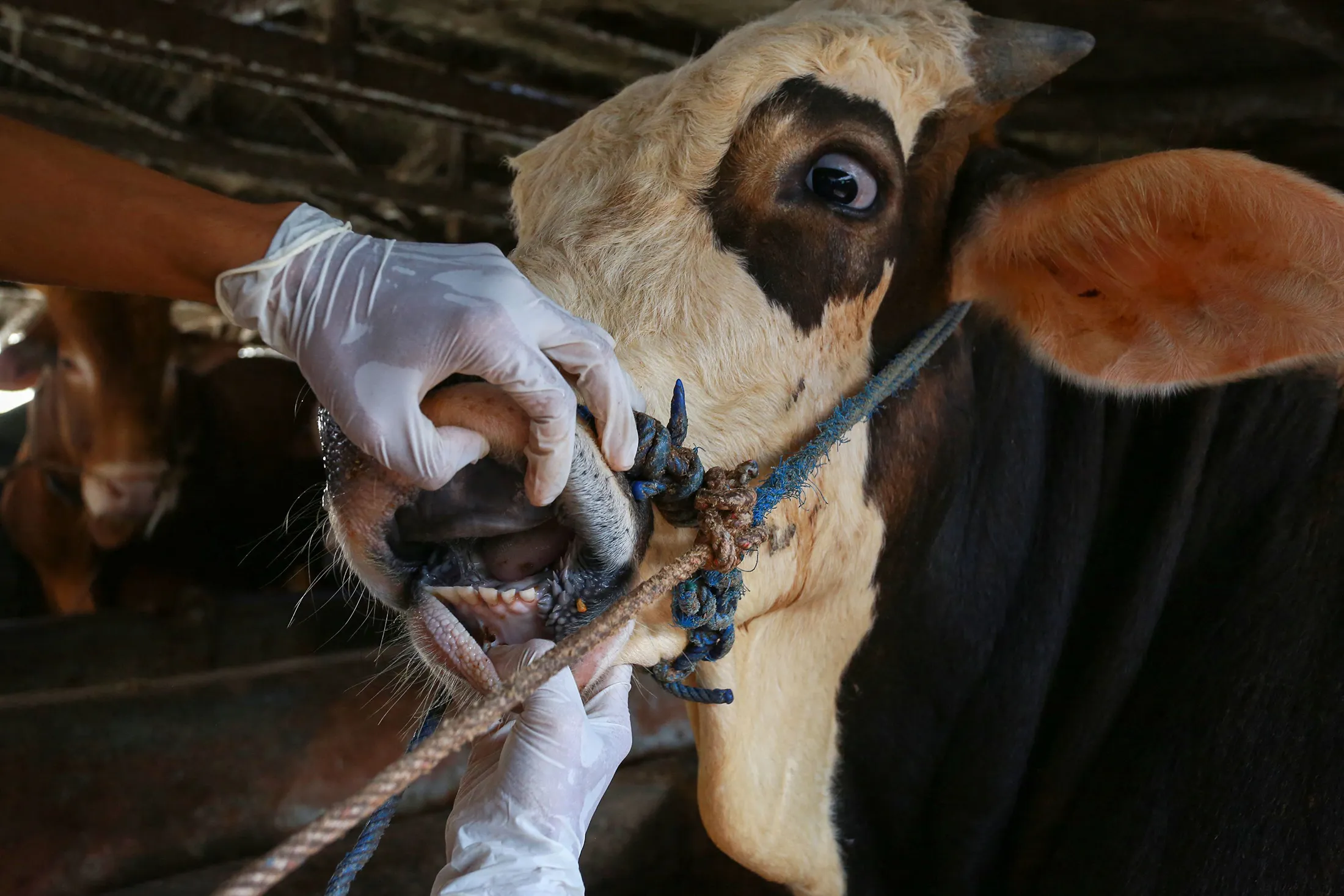
Symptoms of FMD in Cattle
Spotting warning signals early helps vets plus farm workers separate sick animals fast. Typical signs are:
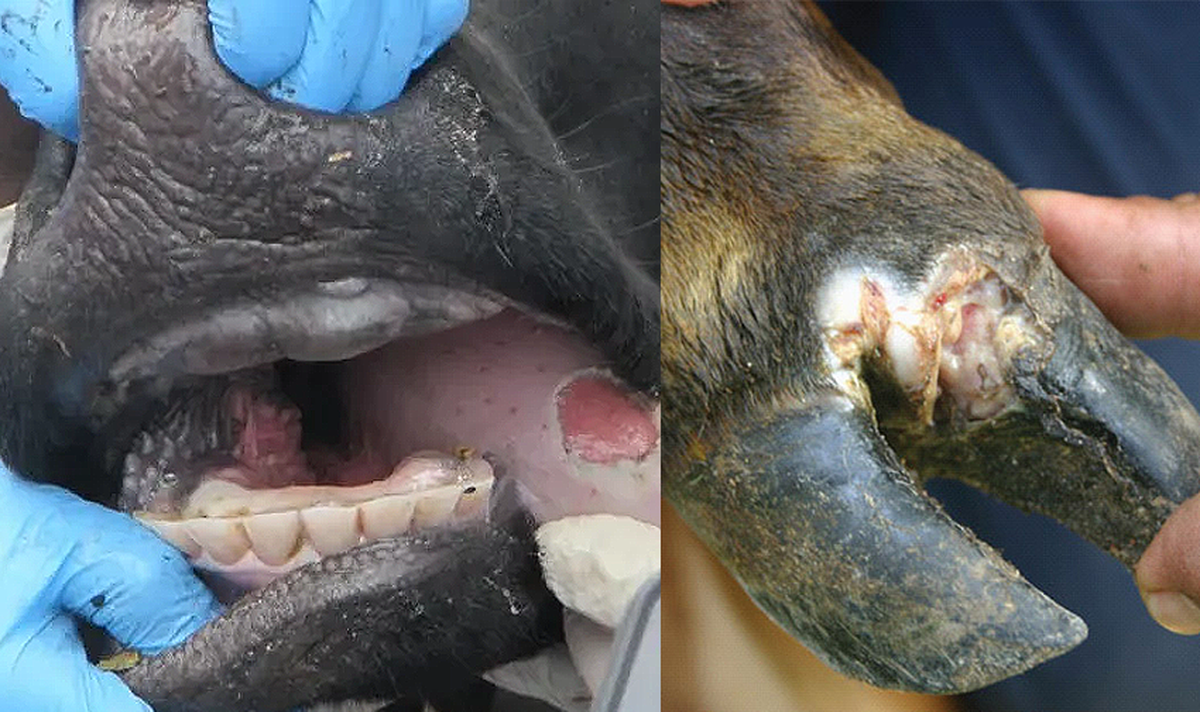
Oral Lesions
Blisters plus sores on your tongue, along with the gums, or the dental pad, also inside the cheeks
Too much saliva, also known as dribbling
Foot Lesions
Wounds in between toes or around the hoof edge
Bad limp from sore sores on the feet
General Symptoms
High fever
Depression often comes with a smaller desire to eat
Sudden drop in milk production
Weight loss
In young cows: heart inflammation, sudden passing
Recovery
Many grown cows get better in about two to three weeks, yet lower output – like less milk – might continue much longer. While some bounce back fast, others take months to regain normal levels. Even after recovery, effects linger on the farm.
Economic Impact of Foot and Mouth Disease
FMD causes big money problems – particularly where milk farming matters most. Main impacts on cash flow involve:
Milk production drops – sometimes over half when sickness hits hard
Fewer babies born because sickness raises body heat plus life feels tougher
Slowed development in young cows
Rules limiting farm animal deals plus food like cheese or beef
Costs are steep due to vet care that’s tough to afford plus strict safety rules on farms
During bad outbreaks, entire countries can struggle for years – so solid vaccine efforts plus smart health planning matter a lot.
Diagnosis of FMD
Early detection can slow the spread of infections. Tools used to identify them involve:
Clinical Examination
Looking at typical sores along with how they act.
Laboratory Tests
Real-time PCR
Test that finds antibodies using ELISA
Virus caught in labs built just for that job
Vets usually mail things like blister liquid, skin bits, or blood fluid off to approved labs so they can double-check.
Prevention and Control: Strategies That Work
- Vaccination Programs
Routine shots work best to stop sickness. Getting vaccinated means milder symptoms if you do get ill – also slows spread across communities while supporting group protection. Still, since multiple versions of the virus pop up, jabs need to line up with what’s actually spreading nearby.
- Farm-Level Biosecurity
Cleaning tools, then boots – also trucks or vans
Keep new animals away from others – especially if they seem unwell
Farm entry managed carefully so visitors don’t wander freely
- Movement Control
Keeping animal movement under control when diseases break out stops them from jumping between farms.
- Surveillance and Reporting
Faster alerts to animal doctors stop the germ spreading far.
The Role of Petvethealthcare in Supporting FMD Management
Petvethealthcare focuses on vet medicines, helping animals stay healthy across farms. Because they care about animal lives, their goal is backing vets with solid tools and advice. So far, their offerings match both local and global plans for fighting foot-and-mouth disease. That way, farmers get reliable help when it’s needed most.
Here’s what Petvethealthcare does to help stop FMD, handle outbreaks, or back up vets:
-
High-Quality Veterinary Formulations
Petvethealthcare offers vet meds that tackle infections, ease swelling, help animals heal, also boost their natural defenses – key when dealing with FMD flare-ups.
-
Supportive Therapy for Infected Animals
Though no specific antiviral cures exist for FMD, proper care makes a big difference. Because of this, Petvethealthcare creates products that support vets by offering tools to handle symptoms more effectively
Fever and inflammation
Pain in the mouth along with sores on the feet
Dehydration from too much saliva dripping out
Chance of another bacterial illness popping up
This kind of help speeds up healing while lowering death risk.
-
Immune-Boosting Solutions
When sickness hits or just after, boosting defense matters most. Petvethealthcare offers boosters and treatments that support natural resistance, so cows get back on track faster.
-
Commitment to Quality and Safety
Every Petvethealthcare item gets tested hard, so pets stay safe and vets can trust it. That matters a lot when handling tough illnesses like FMD.
-
Guidance and Education for Farmers
Petvethealthcare teams up with vets to reach rural communities – sharing vital info so farmers learn more about animal care
Early identification of FMD symptoms
Proper isolation procedures
Smart ways to clean + keep things safe from germs
Importance of consistent vaccination schedules
This understanding helps prevent major flare-ups.
Strengthening Farm Resilience Against Future Outbreaks
Getting ready for possible FMD flare-ups matters just like handling current ones. Petvethealthcare urges farms to take on:
Routine Vaccination Schedules
Focusing on country rules to keep group protection strong.
Regular Disinfection Practices
Cleaning gear with proper sanitizers, then treating living areas the same way – also doing feed containers this manner while making sure footdips get covered too.
Nutritional Support Programs
A balanced diet strengthens resistance so critters handle virus threats better.
Veterinary Monitoring
Routine checkups help catch odd signs early – so spotting problems fast becomes possible.
Conclusion
Foot and Mouth Disease still causes big problems for animals on farms across the world – especially where people rely heavily on cows. Because it moves fast, hurts local economies, yet messes up daily farm work, vets along with farmers plus health groups must keep strong plans ready to stop outbreaks before they grow.
Petvethealthcare focuses on strong vet meds and animal care, making it a solid ally against this illness. Thanks to quick action steps, helpful treatments, better immune defenses, along with education efforts, the company helps protect cows’ well-being while keeping farms running smoothly.


